
What is Cargo Trucks
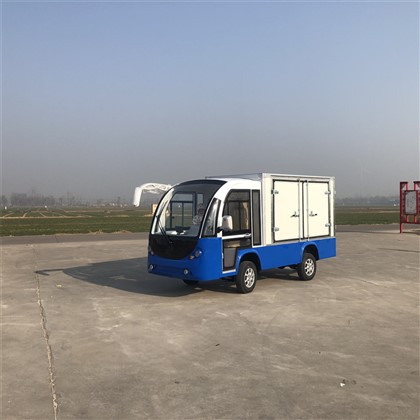
It consists of a hauling truck with a cargo bed on its chassis. These cargo trucks are the driving force behind many industrial sectors–literally. It is easy to initiate a trucking company business with a few cargo trucks, and they are a much better investment than cargo vans.
Why Choose us
1. Quality services
Our team is committed to delivering high-quality services to our clients. We use the latest technologies and tools to ensure that our services exceed your expectations.
2. Quality
We offer high quality services and products that are relatable and resonate with your business needs.
3. Experience and expertise
Our company has been in business for many years and has amassed significant expertise and experience to provide quality services to our clients.
4. Competitive pricing
We offer competitive pricing for our services without compromising on quality.
5. Certifications and quality standards
Choose a factory that adheres to industry standards and certifications to ensure product safety and quality.
-

Close Van
These Close Vans feature an integrated, fully enclosed cargo compartment structure. The body is Add to Inquiry -
Small Electric Box Truck
As a modern logistics and transportation tool, Small Electric Box Trucks perfectly combine the Add to Inquiry -
Budget Electric Cargo Van
Budget Electric Cargo Vans, as an efficient, durable and economical transportation solution Add to Inquiry -
Electric Box Truck
The Electric Box Trucks produced by our company are environmentally friendly transportation Add to Inquiry -
Small Business Cargo Van
The Small Business Cargo Van produced by our company have become an ideal choice for modern urban Add to Inquiry -
4 Wheel Mini Electric Pickup Truck
The four-wheel design ensures driving stability and makes driving safer. Whether it is used by the Add to Inquiry -
Compact Cargo Work Van
Compact Cargo Work Vans are a practical, flexible, and low-cost means of transporting goods, Add to Inquiry -
Small Electric Pickup Truck
Small Electric Pickup Truck is simple and elegant design, compact body, can easily shuttle through Add to Inquiry -
Compact Cargo Van
Compact Cargo Van, as an important part of logistics transport, has the characteristics of Add to Inquiry -
Electric Light Pickup Truck
Electric Light Pickup Truck as an emerging model in the field of electric vehicles, with its Add to Inquiry -
Express Cargo Van
Express Cargo Van usually has a large cargo space to meet the loading needs of different cargo. The Add to Inquiry -
Electric Light Duty Truck
Electric Light Duty Truck refers to the light duty truck driven by electricity, mainly used for Add to Inquiry



Benefits of Cargo Trucks
01/
Provides door-to-door services
The first and foremost benefits of cargo trucks transportation is that it provides door to door services to anyone who wishes to get the goods and services available at their doorstep. Trucking industries are much benefitted from these services. Local transportation companies help in providing day to day services.
02/
Best mode of transportation
It is the best mode of transportation and is the cheapest of all. It is very good for short distances travels and hauls as it provides the best traveling experience. It is best suited for traveling within 700 km of distance.
03/
Faster delivery
Another major use of cargo trucks is that it is best suited for small cargo shipments and delivery as it will emerge out to be cheapest and best for shipments, and this the distance will not matter at all.
04/
Useful for goods & services
Another advantage is that now the online booking of the trucks could be done easily and which will be useful for goods and services to be transported. So, it becomes very easy for users to book whenever they want.
05/
Fastest for short transportation services
It is considered to be the fastest for short transportation services as it will not take much time for short and very less distance hauls. So, it can be considered as best for this type of transportation.
06/
Useful for customers
The trucking business is very much useful for customers, and it provides services whenever they want so these trucks can be used frequently for transporting goods and services.
07/
Easy and flexible
Trucking Services are very much easy and flexible, and they can go in every direction and wherever they want and wherever they want to go. The roads and streets are very much immune to these transportation services.
08/
Safe storage
utilizing a box cargo trucks gives you a safe and secure place to store transit goods. Additionally, your cargo is protected from rainy or windy weather.
09/
Advertisement
A box cargo trucks transports goods to many cities and is seen by a lot of people, so it can help market your brand. It's a good idea to display your business banners and decals on the doors or the sides. A box truck can provide free-wheeling advertising for promoting your business to the public.
10/
No need for a trailer
Hooking up trailers is time-consuming, requiring more fuel for hauling, which increases costs. With a box truck, the need for trailers is eliminated. As a result, deliveries are faster, and clients receive high-quality services.
11/
Easier maneuverability
Box trucks can maneuver over roads much more quickly than their larger counterparts. Their smaller size makes them suitable for delivering products to home addresses and local suburbs. It also makes them ideal for deliveries in locations with heavy traffic.
12/
Less fuel consumption
Being smaller than other trucks, box trucks use less fuel. This feature reduces operational costs and makes them a perfect trucking solution.
Types of Cargo Trucks

Flatbed trucks
A flatbed cargo trucks is a type of vehicle that carries goods on an open, flat trailer - as opposed to a closed trailer. These trucks are especially good for hauling oversized loads.Not only can these trucks haul oversized loads, but they are easier to load and unload than other freight trucks. To secure cargo on a flatbed trailer, people typically use straps.
Flatbed trucks are ideal for hauling construction materials, vehicles, heavy machinery, oversized cargo, and even houses thanks to their impressive load-bearing capacity and versatile cargo space.
Flatbed trucks are ideal for hauling construction materials, vehicles, heavy machinery, oversized cargo, and even houses thanks to their impressive load-bearing capacity and versatile cargo space.
Semi-trailer
Semi-trailers go by many names, including semi-trucks, 18-wheelers, tractor-trailers, and big rigs. They are some of the most commonly seen freight trucks on the road.
The trailers themselves have no front axle or wheels and instead rest on a hitch or fifth-wheel coupling. They can also tow one or two additional trailers for carrying added cargo.
Not only can semi-trucks transport consumer items, but they can also haul raw materials. Their versatility makes them ideal for carrying cargo long distances - especially since a single semi-truck can tow more than one trailer.
The trailers themselves have no front axle or wheels and instead rest on a hitch or fifth-wheel coupling. They can also tow one or two additional trailers for carrying added cargo.
Not only can semi-trucks transport consumer items, but they can also haul raw materials. Their versatility makes them ideal for carrying cargo long distances - especially since a single semi-truck can tow more than one trailer.
Step deck
Similar to a flatbed truck, a step deck is an open trailer; however, it can carry taller cargo because it is designed for that specific purpose.
Step decks, also known as drop decks or lowboy trailers, have two levels. The bottom level is designed to give more clearance for tall or oversized cargo. Consequently, they are simpler to load and unload.
Not only can you transport large and tall items with a step deck trailer without needing extra permits, but you can also fit more cargo on the other deck.
Step decks, also known as drop decks or lowboy trailers, have two levels. The bottom level is designed to give more clearance for tall or oversized cargo. Consequently, they are simpler to load and unload.
Not only can you transport large and tall items with a step deck trailer without needing extra permits, but you can also fit more cargo on the other deck.
Dry van
A dry van is a type of semi-truck that doesn't have temperature control for its trailer. A dry van is completely enclosed by four walls and has a roof to protect goods from the outside elements.
Many dry van trailers are 53 feet in length and can accommodate different types of freight. New truck drivers often operate dry van trucks because they're common and only require a Class A CDL.
Dry van trucks commonly haul boxed cargo and pallets, which is why almost everything you have in your house was at one point transported by a dry van--this includes furniture, non-perishable food, and clothing.
Many dry van trailers are 53 feet in length and can accommodate different types of freight. New truck drivers often operate dry van trucks because they're common and only require a Class A CDL.
Dry van trucks commonly haul boxed cargo and pallets, which is why almost everything you have in your house was at one point transported by a dry van--this includes furniture, non-perishable food, and clothing.
Reefer
Reefers, or refrigerated trucks, are freight vehicles that maintain a temperature-controlled environment for perishable items. These trucks typically transport food to grocery stores and warehouses.
The driver must continuously monitor the temperature of the refrigeration unit, which is located at either the front of the trailer or above the truck's cab. By doing so, they can avoid food spoilage.
Items that must be kept cool are shipped using reefer trucks, such as food items, medical supplies, chemicals, and hazardous materials. These items can go bad quickly if not kept at the proper temperature, making reefer trucks one of the more time-sensitive types of cargo delivery.
The driver must continuously monitor the temperature of the refrigeration unit, which is located at either the front of the trailer or above the truck's cab. By doing so, they can avoid food spoilage.
Items that must be kept cool are shipped using reefer trucks, such as food items, medical supplies, chemicals, and hazardous materials. These items can go bad quickly if not kept at the proper temperature, making reefer trucks one of the more time-sensitive types of cargo delivery.
Box truck
Box cargo trucks are characterized by their box-shaped cargo compartments and smaller freight truck types. The cargo box of a box truck sits directly on the frame.
The box of the truck is typically separate from the driver's area. These types of trucks are perfect for making local deliveries as they can navigate small streets and tight corners with ease.
Box trucks are a popular choice for short-distance freight transportation, such as home appliance and furniture delivery, last-mile deliveries, food delivery, and even moving.
The box of the truck is typically separate from the driver's area. These types of trucks are perfect for making local deliveries as they can navigate small streets and tight corners with ease.
Box trucks are a popular choice for short-distance freight transportation, such as home appliance and furniture delivery, last-mile deliveries, food delivery, and even moving.
Tanker
Tanker trucks come in two varieties- dry bulk tankers and liquid tankers. Dry bulk transportation is for loose, dry goods like flour or sand, while liquids and gasses are transported using liquid tankers.
Unlike boxy trailers, tankers have a round tank that attaches to the back of a semi-truck. They can be difficult to operate because drivers must avoid making the liquid inside slosh around too much.
The tanks have compartments that help reduce this sloshing and enable the carrying of multiple loads. If the cargo requires it, the tank can be pressurized, insulated, or refrigerated.
Dry bulk tankers are designed to transport materials that cannot be transported any other way, including construction materials (sand, powders) and bulk foods (sugar, grain). Liquid tankers transport liquids of all types, from beverages like milk or wine to chemicals like gasoline.
Unlike boxy trailers, tankers have a round tank that attaches to the back of a semi-truck. They can be difficult to operate because drivers must avoid making the liquid inside slosh around too much.
The tanks have compartments that help reduce this sloshing and enable the carrying of multiple loads. If the cargo requires it, the tank can be pressurized, insulated, or refrigerated.
Dry bulk tankers are designed to transport materials that cannot be transported any other way, including construction materials (sand, powders) and bulk foods (sugar, grain). Liquid tankers transport liquids of all types, from beverages like milk or wine to chemicals like gasoline.
Application of Cargo Trucks
1
Commercial and residential moving
Commercial and residential moving may be one of the most popular uses for box cargo trucks. Furniture and fragile items can be transported easily with box trucks thanks to their large and secure cargo compartment. They also provide quick services to customers who need moving trucks. Businesses with constant equipment movement must incorporate box trucks in their fleet to ensure smooth operation.
2
Delivery services:
E-commerce is expanding, and so is the delivery industry. Companies use box trucks to move packages between warehouses for loading into delivery vans. With a box truck, you can provide your services to hardware stores, grocery stores, supermarkets, appliance shops and other nearby businesses.
3
Hauling bulky items
Box cargo trucks can transport cargo weighing 8,000 pounds or more, depending on the model. They can carry large items that cannot fit in a pickup cargo van. Due to their large size, box trucks require fewer trips, reducing fuel consumption.Some box trucks feature multiple points of entry, like two side doors and a rear door, making freight loading and unloading faster.
4
Transporting perishable goods
Cold-temperature box cargo trucks are necessary for the transportation of cold-chain medicines. Such stock is susceptible to spoiling and needs to be handled with care.Dairy products also cannot travel at average temperatures and need refrigerated storage. Another item box trucks transport is meat, which cannot be left out in the open for long. Baked goods also require refrigerated box trucks when they need to be transported across great distances.
5
Using storage facilities
Storage facilities offer box trucks to customers as incentives to rent from them. In the United States, customers can rent a box truck with a gross vehicle weight rating (GVWR) of 26,000 pounds or less without needing a commercial license.
6
Product marketing
Box truck advertising allows you to make a big impression with your brand and reach customers in markets where you transport goods. The truck becomes a mobile billboard that customers see while driving, walking, in a ball park, or at a grocery store. Box trucks with creative graphics have a remarkable impact for advertising because they create active consumer engagement.
7
Amazon relay transportation
Box truck owners can work directly with Amazon through its freight transportation management system. Amazon relay connects small freight carriers to the available loads to help their businesses grow.
Characteristics Of Cargo Trucks Dimensions
|
Size |
Number of seats |
Vehicle capacity |
Cubic feet (approx) |
|
10” |
2 |
2,850 lbs |
400 cu |
|
12” |
2 |
3,100 lbs |
450 cu |
|
16” |
2 |
4,300 lbs |
800 cu |
|
22” |
3 |
10,000 lbs |
1,200 cu |
|
24” |
3 |
10,000 lbs |
1,350 cu |
|
26” |
3 |
12,000 lbs |
1,700 cu |
Common Box Cargo Trucks Sizes (Length, Width, and Height)
|
Box Truck Size |
Length |
Width |
Height |
|
10" |
10 ft |
5 ft |
6 ft |
|
12" |
11.8 ft |
8 ft |
7 ft |
|
16" |
16 ft |
9.5 ft |
8 ft |
|
22" |
22 ft 6 in |
8 ft 6 in |
8 ft 6.5 in |
|
24" |
24 ft 6 in |
8 ft 6 in |
8 ft 6.5 in |
|
26" |
26 ft 7 in |
8 ft 6 in |
8 ft 6.5 in |
Box Cargo Trucks Gross Vehicle Weight, Empty Weight, and MPG
|
Box Truck Size |
Gross Vehicle Weight |
Empty Weight |
MPG |
|
10" |
8,600 lbs |
5,790 lbs |
8-12 MPG |
|
12" |
9,900 lbs |
6,000 lbs |
8-14 MPG |
|
16" |
12,300 lbs |
7,400 lbs |
7-11 MPG |
|
22" |
22,000 lbs |
11,900 lbs |
6-10 MPG |
|
24" |
26,000 lbs |
12,000 lbs |
6-10 MPG |
|
26" |
26,000 lbs |
12,400 lbs |
6-9 MPG |
The Top Ten Preventative Maintenance Tips For Cargo Trucks
Check fluid levels
Verifying your engine oil, coolant, transmission, brake, power steering and other underhood fluids only takes a few minutes and is an easy way to avoid major problems. If you see a drop in a fluid level between checks, it's a good indication that you have a consumption or leak problem and can fix it before it becomes a major problem.


Change fluids
The frequency for changing your fluids will depend on how many miles you drive, the weight of the loads you carry and the type of driving you do (highway, dusty roads, city traffic, etc.) Always follow the manufacturer's suggestions for changing fluids. Trying to get extra life out of your fluids may save in the short term but cost you big in repairs and breakdowns later on.
Verify tire pressures
Any cargo trucks will tell you that tire pressure is critical to check often on your large truck or tractor-trailer. Your tires are your contact with the road and you want them inflated properly to avoid uneven wear, maximize fuel economy and provide optimum traction, braking and load-carrying ability at all times.


Check your tires
Uneven tire wear can be related to tire pressure issues or problems with your alignment or suspension. Include a check of your tire condition and tread depth as part of your preventative maintenance plan. We all know how dangerous a tire blowout can be on the highway, so avoid the cost, delay and danger of a blowout by inspecting your tires often.
Inspect your brakes
When you're carrying a full load, you want to be sure you can get stopped safely. Frequently check your brakes and replace them when they reach the minimum wear condition. Also look for even wear side to side and front to back. This can be a sign that your brake system isn't balanced and requires repairs or adjustment to provide correct braking performance.


Check air filters
A clean air filter can go a long way toward reducing your fuel consumption and helping your engine run more smoothly. As a filter gets clogged, it can reduce the amount of air getting into your engine, reducing power and lowering fuel economy. Inspect and change your air filter at regular intervals and check more often if you often drive on dirty, dusty roads.
Do a battery load test and electrical system verification
Long-distance driving and frequent stops and starts put your truck's electrical system to the test. It is a good idea to add your battery, alternator and electrical system to your preventative maintenance list for a yearly check. If you operate in colder climates, a check before winter is the best way to avoid charging problems.


Inspect your gearbox and clutch
The combination of high-torque engines and heavy loads mean your gearbox and clutch are worked hard every time you hit the road. A regular inspection of your gearbox and verification that it is functioning properly can help you catch problems as they arise. You will also want to ensure that your clutch isn't slipping, as this can affect reliability and fuel economy.
Check out your exterior lighting
A quick walk-around verification of your exterior lighting helps you catch burnt out bulbs and replace them before you hit the road. Avoid being pulled over and wasting time over a burnt bulb and check that all of your running, brake, signal and hazard lights are working properly as part of your preventative maintenance.


Service your fifth wheel platform
Problems with your fifth wheel platform can slow you down and even keep your truck off the road if you can't securely hook up your trailer. On a regular basis, you should inspect your platform and grease/adjust as necessary. Clean any accumulated dirt from the platform mechanism and inspect for excessive wear or components that need to be replaced.
About Our Company

With more than 50 engineering and technical personnel, 30 people with senior titles, is one of the professional production and management enterprises with strong technical ability in the same industry in the country.
Dezhou Junzheng New Energy Technology Co., Ltd. is located in Wucheng County, Shandong Province, China's auto parts industry base. It is a comprehensive company engaged in the design, development, manufacturing and marketing of micro electric vehicles. The company will enter the 6000 square meters transfer assembly base in 2020, with an annual production and sales capacity of more than 30,000 units and sales channels all over the country.
Asked Questions
Q: What are the different types of cargo trucks?
A: The seven main types of freight trucks are distinguished by the type of cargo they haul: semi-trailers, flatbeds, step decks, dry vans, reefers, box trucks, or tankers.
Q: What do cargo trucks carry?
A: These trucks are commonly used for transporting general goods such as consumer products, electronics, and non-perishable items. The sealed environment ensures that the cargo remains secure and unaffected by weather conditions.
Q: What is the back door of a box cargo trucks called?
A: A liftgate is a platform on the back of a box cargo trucks used for raising and lowering goods via a hydraulic system. They're either constructed from steel or aluminum with a variety of sizes and weight capacities.
Q: What is the most common cargo in a cargo trucks?
A: Dry Goods: This is the most common type of cargo transported by trucks and includes a wide range of products, such as packaged foods, clothing, electronics, and more.
Q: What are big cargo trucks called?
A: A freight truck, also known as a commercial truck or a semi-truck, is a heavy-duty vehicle specifically designed for the transportation of goods over long distances. These trucks are the workhorses of the transportation industry, playing a vital role in the movement of goods and materials across various sectors.
Q: How much can a cargo truck carry?
A: Most semi-trucks with trailers weigh between 14,000 and 16,000 pounds when unfilled. Federal limits cap the Gross Combined Weight Rating (GCWR) of these kinds of trucks to a maximum of 80,000 pounds. States have their own weight capacity guidelines, some allowing greater load limits than the federal regulations.
Q: What do you call the back of a cargo truck?
A: The back of the truck where the goods are placed is called a cargo bed. The cargo bed may be covered with a tonneau cover made of cloth, metal or plastic, to protect the cargo from rain and dirt.
Q: What is the nickname for a box cargo trucks?
A: Box cargo trucks also go by the name box van or cube van. These trucks get their name from the separate box-shaped cargo area that sits on their frame. In a box truck, the cargo area is completely separate from the cab and cannot be accessed from the interior.
Q: What is the difference between a cargo van and a box truck?
A: A distinction between a box truck vs cargo trucks is a commercial box truck has its cargo area separated from the cab of the vehicle. It is attached to the frame with two-piece construction. In a cargo van, the transporting area is connected to the passenger area with a one-piece design.
Q: What does 1500 mean on a cargo trucks?
A: The 1500 represented half-ton capacity, the 2500 represented three-quarter-ton capacity, and the 3500 represented one-ton capacity. That's why you may see the 1500 called a “half ton.” But nowadays, these designations refer primarily to the cargo trucks purpose.
Q: How many gears does a cargo trucks have?
A: Trucks typically have ten gears available. But some factories pack even more inside their trailers. Over the years, truckers have seen crankshafts that contain as many as Eighteen gears. Since it has these gears, the vehicle can accelerate more quickly.
Q: What are no zones in cargo trucks?
A: Large cargo trucks and buses have huge blind spots – or No Zones – around the front, back and sides of the vehicle. If you can't see the driver in the truck's side mirror, assume that the driver can't see you. Don't drive in a blind spot – slow down or move ahead to stay visible.
Q: How do you distribute weight in a moving cargo trucks?
A: Loading a moving van, cargo trucks, or trailer begins with distributing the weight evenly. With most moves, you should load the household goods with the majority of the weight towards the front and less weight towards the back.
Q: How many tie downs are required with cargo trucks?
A: When an article of cargo is not blocked or positioned to prevent movement in the forward direction, and the item is longer than 10 ft in length, then it must be secured by two tiedowns for the first 10 ft of length, and one additional tiedown for every 10 ft of length, or fraction thereof, beyond the first 10 ft.
Q: What do you call a box cargo trucks with a sleeper?
A: A large straight truck with sleeper compartment, or sleeper box cargo trucks, enables drivers to go further and longer, and even operate as part of a tag-team for non-stop driving.
Q: What are big cargo trucks called?
A: The seven main types of freight trucks are distinguished by the type of cargo they haul: semi-trailers, flatbeds, step decks, dry vans, reefers, box trucks, or tankers. Semi-Trailer. Semi-trailers go by many names, including semi-trucks, 18-wheelers, tractor-trailers, and big rigs.
Q: What is the black box in a cargo trucks called?
A: Event Data Recorders are what most people think of as the “black box” in a commercial motor vehicle. It is an electronic system that monitors certain information and records data about the vehicle from the moments before an “event” is detected.
Q: What does Class 8 cargo trucks mean?
A: A Class 8 cargo trucks or tractor has a gross vehicle weight (GVW) of 33,001 + pounds. These are also referred to as heavy-duty or semi-trucks.
Q: What does 150 and 250 mean incargo trucks?
A: At the core, the differences are simple, the F-150 is a light-duty, half-ton cargo trucks, the F-250 is a three-quarter-ton, heavy-duty truck, and the F-350 is a one-ton heavy-duty truck. What does this mean for you? The jobs that these trucks were built to do and can handle.
Q: How fast can a cargo trucks go?
A: On rural interstates, the maximum speed limit for semi-trucks is 75 -80 mph. On other roads, such as urban interstates and non-interstate highways, the maximum speed limit is generally 70 mph. Non-numbered state highways and county roads have a 60 mph speed limit.
We're well-known as one of the leading cargo trucks manufacturers and suppliers in China. If you're going to buy customized cargo trucks, welcome to get quotation from our factory. For price consultation, contact us.
Security Patrol Car, 4 Seats Electric Van, Patrol Electric Car