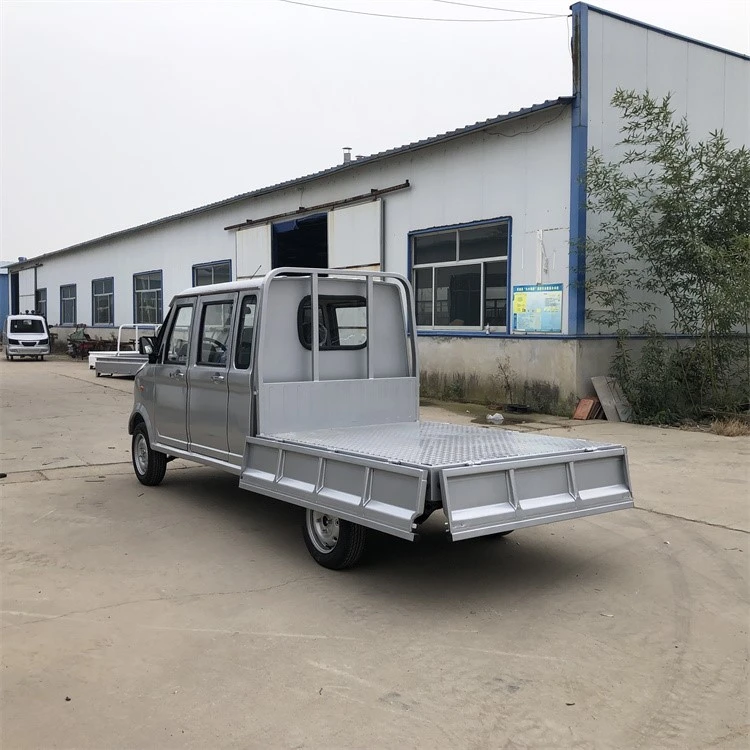
The climbing capacity of Electric Vans mainly depends on motor power, torque output, and overall vehicle power matching, with actual performance meeting the needs of most transportation scenarios.
In terms of parameters, the motor power of mainstream electric trucks ranges from 120kW to 200kW, and the peak torque can reach 800N·m to 1500N·m. The characteristic of high torque at low speeds enables more direct power output when the vehicle starts and climbs slopes. For urban ramps and suburban mountain roads with a slope of less than 15°, most models can pass easily. Even in a fully loaded state, they can maintain stable power without insufficient performance.
In practical tests, Electric Vans equipped with permanent magnet synchronous motors can still run smoothly at 20-30km/h on continuous ramps with a 20° slope. The battery power supply remains stable without sudden voltage drops. For complex road conditions such as mountainous areas and construction sites, some models are also equipped with a climbing mode, which further improves ramp adaptability by adjusting the power output logic.
It should be noted that the driving range of Electric Vans will decrease slightly when climbing slopes. It is recommended to reserve sufficient power before heavy-load climbing. Overall, the climbing capacity of electric trucks can cover mainstream scenarios such as urban distribution, cold chain transportation, and construction site transportation, fully meeting the slope requirements of enterprises' daily transportation.