
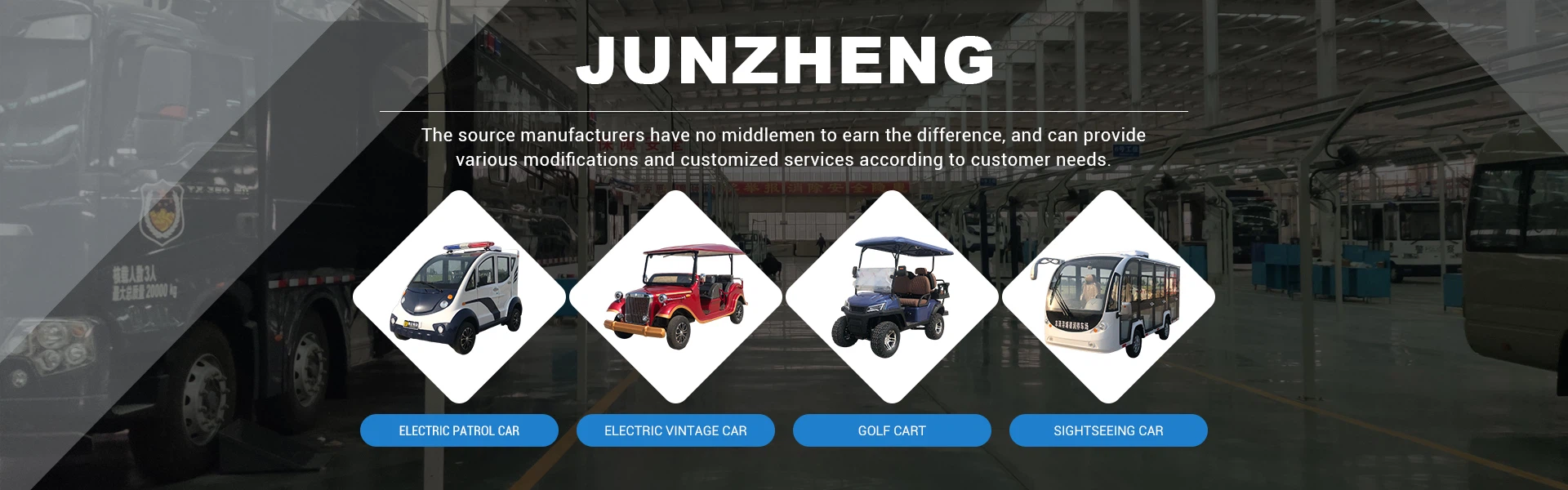
Compared with traditional classic cars, Electric Classic Cars are different in many aspects, mainly reflected in power source, environmental performance, use cost, driving experience and market positioning.
Power source and environmental performance
Traditional classic cars are usually equipped with internal combustion engines, powered by fuel (such as gasoline or diesel). This power mode will produce exhaust gas and noise pollution in the process of driving, which has a certain impact on the environment.
Electric classic car: it is completely powered by batteries and uses an electric drive system. Compared with traditional internal combustion engine vehicles, electric classic cars do not produce exhaust gas and noise pollution, and are more friendly to the environment. It achieves zero emissions and silent driving, in line with the requirements of modern cities for environmental protection and low-carbon travel.
Operating cost
Traditional classic cars: The cost of use is relatively high due to the high cost of fuel and the regular maintenance and repair of the internal combustion engine is usually required.
Electric classic cars: Although the cost of buying a car may be similar to a traditional classic car, electric classic cars have lower operating costs. The battery-powered approach makes its energy consumption more economical, and the cost of charging is much lower than the cost of fuel. In addition, the maintenance of electric classic cars is also relatively simple, reducing the cost of long-term use.
To sum up, there are significant differences between electric classic cars and traditional classic cars in terms of power source, environmental performance, use cost, driving experience and market positioning. With the continuous development of electric vehicle technology and the improvement of environmental awareness, electric classic cars are expected to be more widely used and developed in the future.
