
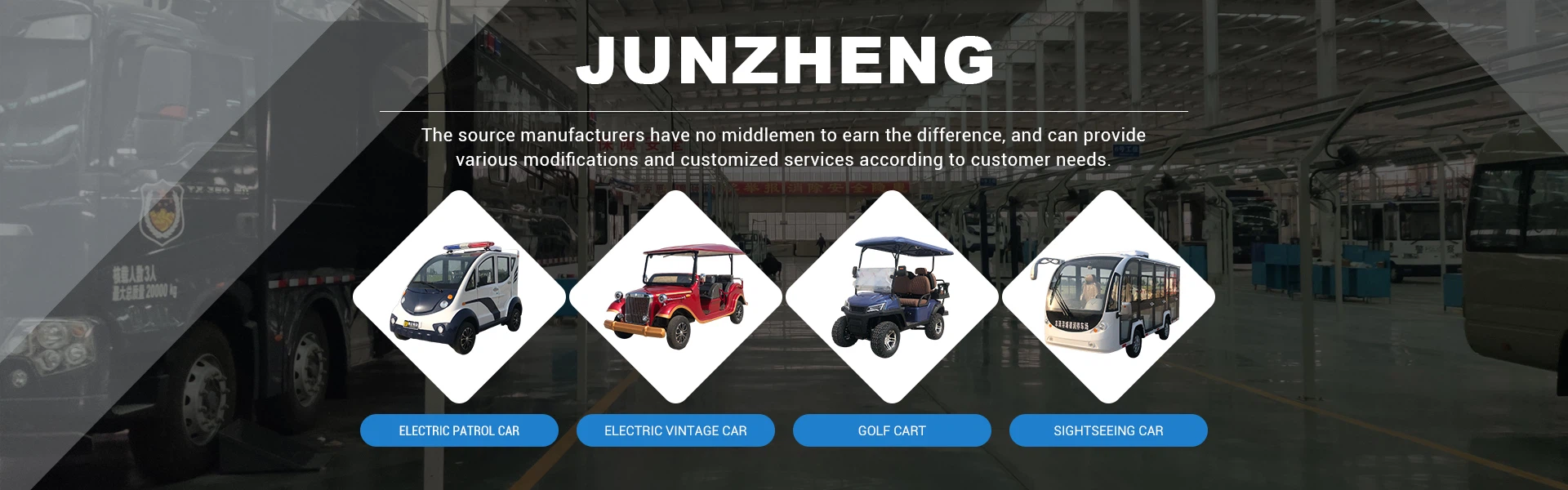

Patrol Electric Car
What is Patrol Electric Car
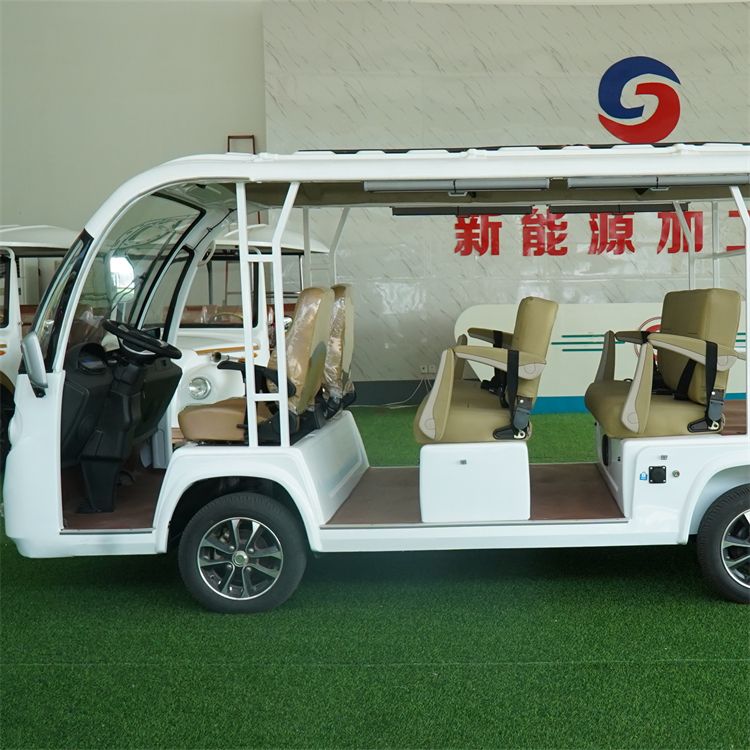
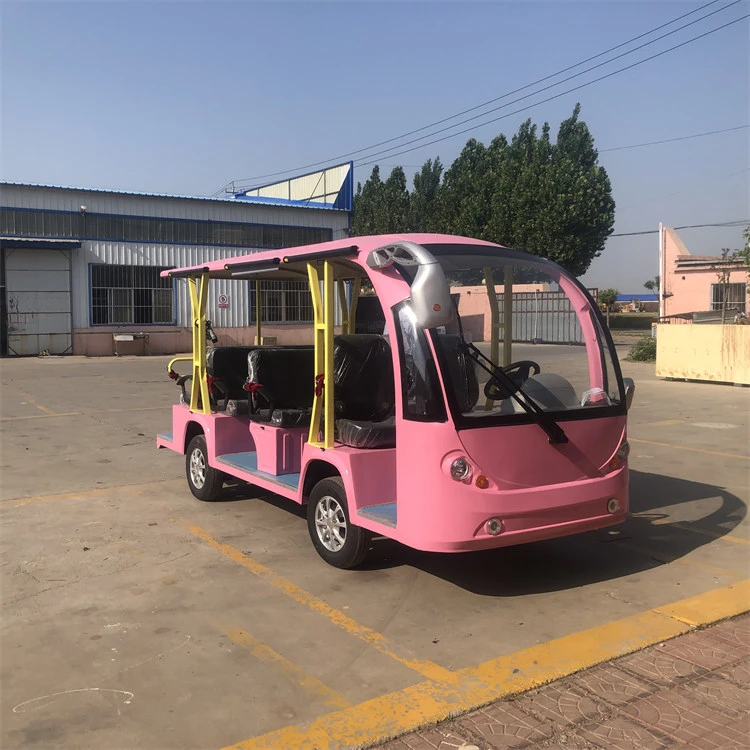
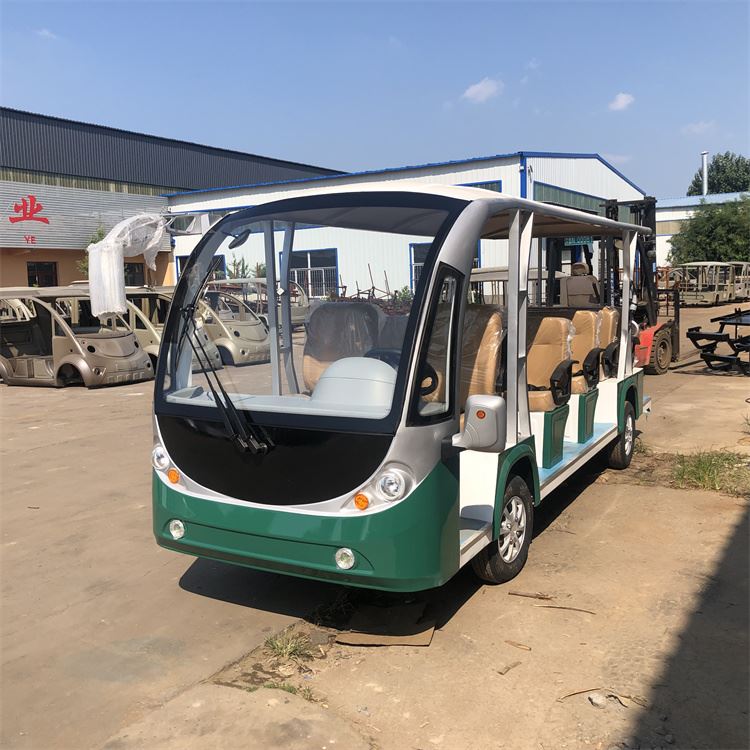
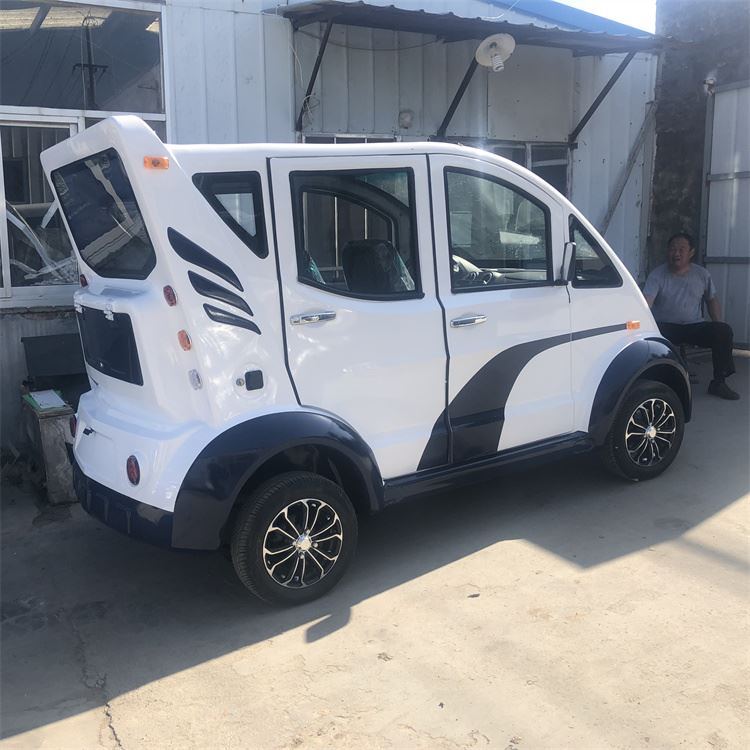
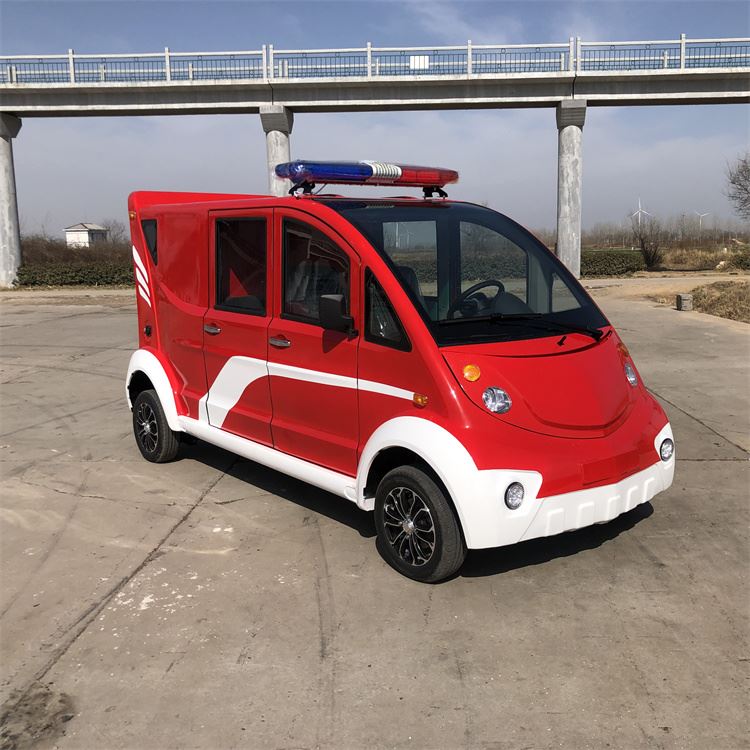
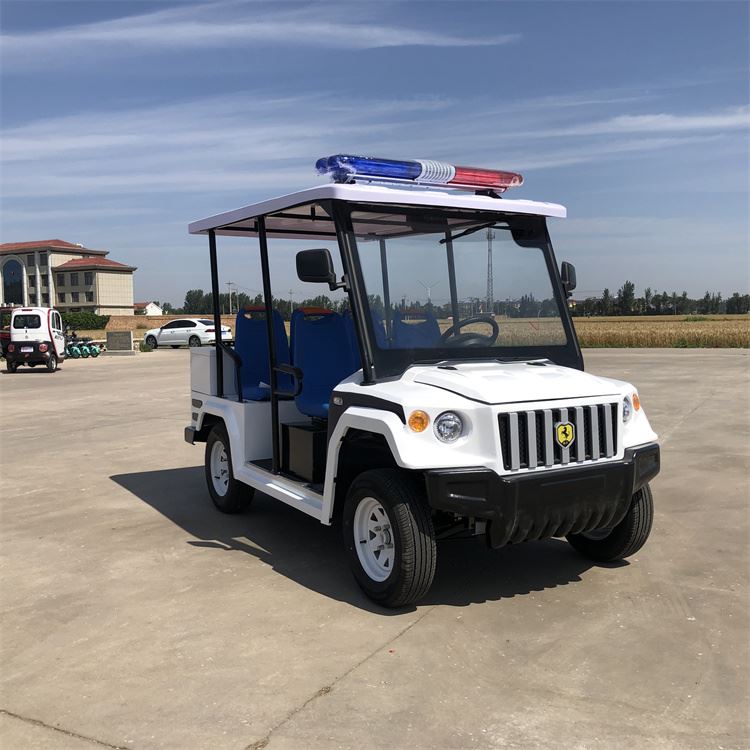
A patrol electric car (also called a police cruiser, police interceptor, black and white, patrol car, area car, cop car, prowl car, squad car, radio car, or radio motor patrol) is a ground vehicle used by police and law enforcement for transportation during patrols and responses to calls for service. A type of emergency vehicle, police cars are used by police officers to patrol a beat, quickly reach incident scenes, and transport and temporarily detain suspects, all while establishing a police presence and providing visible crime deterrence.
Why Choose us
Our team is committed to delivering high-quality services to our clients. We use the latest technologies and tools to ensure that our services exceed your expectations.
We offer high quality services and products that are relatable and resonate with your business needs.
Our company has been in business for many years and has amassed significant expertise and experience to provide quality services to our clients.
We offer competitive pricing for our services without compromising on quality.
Choose a factory that adheres to industry standards and certifications to ensure product safety and quality.
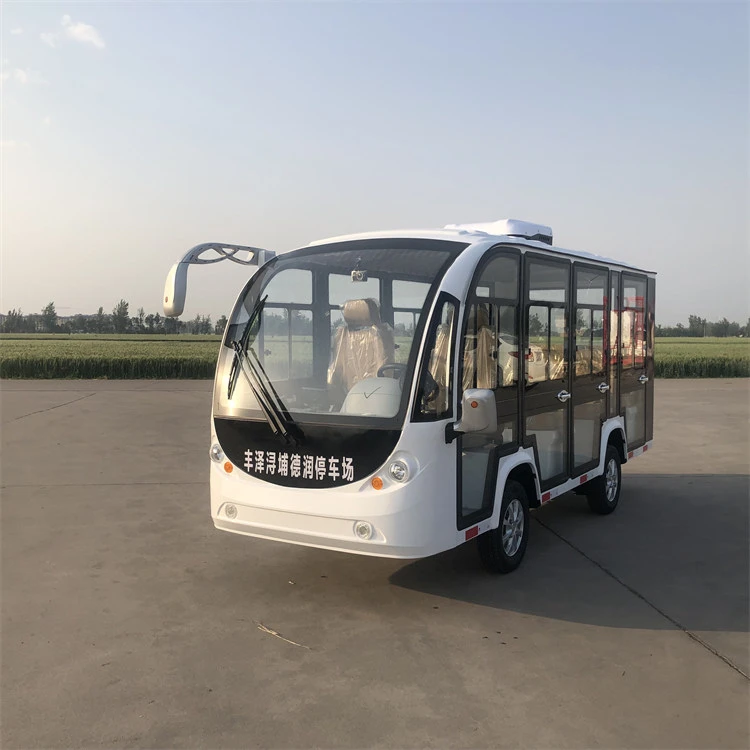
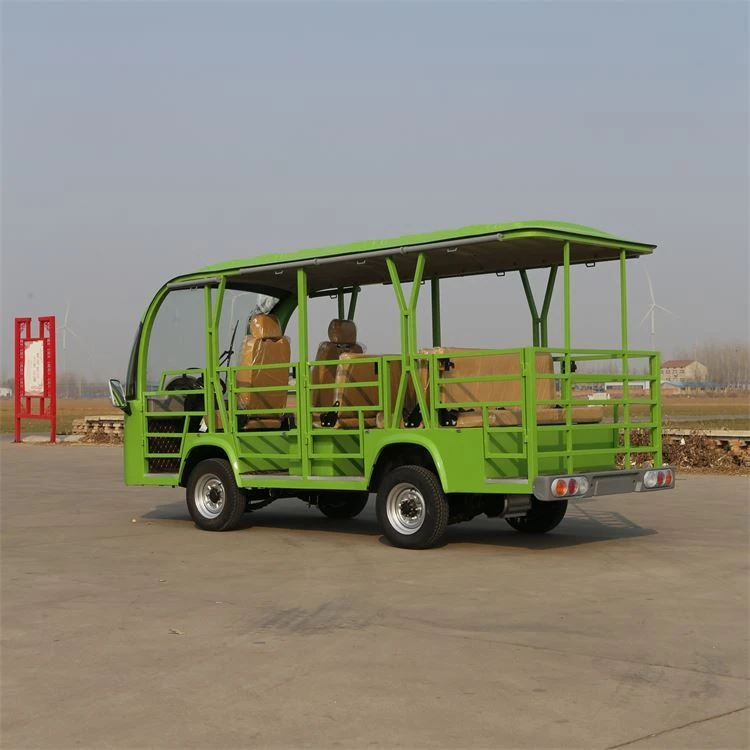
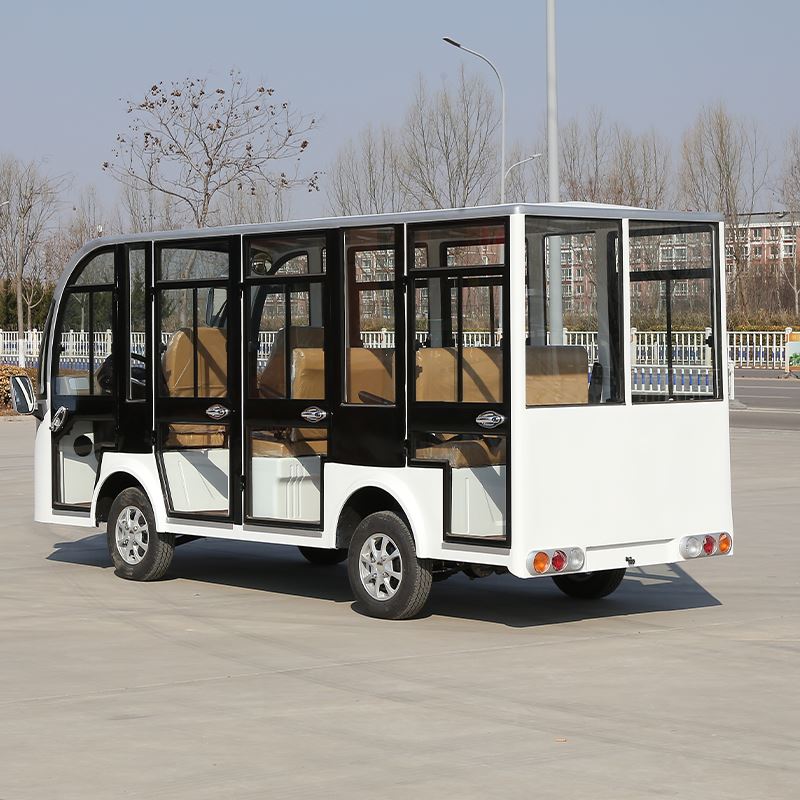
Benefits of Patrol Electric Car
Reduced maintenance costs saves money
Electric vehicle motors have fewer moving parts than traditional internal combustion engines, which means fewer parts that can eventually break (at least in theory). Patrol electric cars need to be reliable, and with added reliability comes decreased maintenance costs.
Police departments have the potential to save large sums of money if they make the switch to electric vehicles based on maintenance savings alone. A Consumer Report study determined that owning an electric vehicle saves $4,600 in repair and maintenance costs over the vehicle's lifetime compared to a traditional car.
Imagine the huge financial benefits that are possible if you add up the savings from police department fleets switching to EVs across the nation. This is an effective solution that can extend well beyond police departments, with many government vehicle fleets being ideal candidates to go electric. With a fleet that's cheaper to maintain, the savings can be redirected towards other improvements for the police force.
Excellent for stealthy arrivals
Police cars must be up to the job of performing a multitude of tasks, and some of them involve responding to an emergency as stealthily as possible. The problem with traditional squad cars is that the engine can still be heard, even if the vehicle is traveling at low speeds.
Patrol electric car have the added advantage of a silent powertrain, which can be used to sneak up on unsuspecting criminals. Electric vehicles do have to abide by government regulations that mandate that they emit a specific sound when traveling at low speeds, but EV patrol cars could feature a stealth mode feature that allows the pedestrian warning sound to be disabled in certain situations.
Patrol electric car have the added advantage of a silent powertrain, which can be used to sneak up on unsuspecting criminals. Electric vehicles do have to abide by government regulations that mandate that they emit a specific sound when traveling at low speeds, but EV patrol cars could feature a stealth mode feature that allows the pedestrian warning sound to be disabled in certain situations.
Front trunks provide more storage space
Electric vehicles don't have to accommodate huge engines under the hood, so some EV manufacturers have taken advantage of this by offering expanded cargo-carrying capacities up front. This front trunk compartment is commonly referred to as a frunk, and its capacity can vary greatly from one manufacturer to another.
This is an ideal space to store police equipment, especially because the frunk is easily accessible in case of an emergency, and is usually roomy enough to hold many pieces of gear. All Teslas have frunks, so a police fleet that's purchased Tesla vehicles can take advantage of this unique storage compartment.
It wouldn't be surprising to see police cars retrofitted with custom frunks specifically designed for police duties, like deploying a mobile sobriety test station.
Zero tailpipe emissions
Patrol electric cars don't produce tailpipe emissions like internal combustion cars do. This presents a huge advantage for police officers, who basically use their squad cars as mobile offices. When police officers park their vehicles, they'll typically turn the engine off. With an EV, they can continue to enjoy the basic amenities the vehicle offers (like air conditioning) without having to worry about harmful exhaust gases bothering the people surrounding them or harming the environment.
K9 units can also take advantage of awesome animal-specific features like Tesla's Dog Mode, which is a climate control feature that keeps your vehicle safe for your dog while you're away from the car. This type of feature is possible in an EV thanks to the big onboard battery and the fact that the vehicle doesn't pollute while parked.
Patrol cars are constantly being used, much more than civilian cars, and the potential to cut down on emissions by going electric is huge.
Much quicker acceleration
Electric motors have many benefits over internal combustion engines, and one of the greatest advantages is instant torque delivery. This allows electric vehicles to accelerate faster than their internal combustion counterparts (especially off the line), and this can prove to be a valuable asset in police chases.
There won't be many situations where a civilian's car will be able to outrun a dual-motor electric patrol car, especially if the car being chased is an internal combustion vehicle. Imagine a police force using the ultra-quick Tesla Model S Plaid to patrol the street. This is basically a criminal's worst nightmare, given that the Plaid is known to be able to accelerate to 60 mph in around two seconds.
Do Patrol Electric Cars Really Make Sense for Security Patrol Services?

Sustainability, Environmental Impact, and Energy Costs
Forgetting about the economics of if an patrol electric car is right for your security patrols, consider the sustainability and environmental impact it has. Because transportation accounts for nearly three-fourths of total U.S. petroleum consumption, using more energy-efficient vehicles can have a direct impact on our reliance on foreign oil.
While EVs do not emit pollutants from their tailpipe, the energy used to charge them does come at a price. Here is a good video that explains shifting the emissions from the gasoline vehicle tailpipe to the smokestack of the local energy source.
Charging
When it comes time to plan for charging patrol electric cars, there are 3 major options to choose from.
Level 3
These are the stations you may see on the highway or with Tesla branding. These fast-charge stations accomplish a full charge in a very short amount of time (approx. 30 minutes).
But high convenience and efficiency come at a price. These charging stations cost upwards of $100,000 to install. One way to limit some of the cost with this option is to use a public fast charger, but keep in mind that you will still have to pay to use them, and driving to a 3rd party location might waste the time of an employee if not conveniently located.
Level 2
These are the most common chargers that meet most patrol electric car charging needs. These 240 volt chargers are great for overnight charging or office use being that full charge time is about 8 hours depending on the vehicle's battery size.
Level 1
These 120 Volt chargers are included with the purchase of your EV. And while there is no additional cost to obtaining these chargers and the energy costs are low, charge times are excessive and unrealistic for daily security patrol vehicle use (20+ hours).


Purchase Price
So are you wasting thousands of dollars by using gasoline vehicles for your security patrol services? Possibly. The cost advantages of an patrol electric car essentially level out due to the higher purchase price. That high purchase price is largely due to the costs associated with manufacturing the battery.
Types Of Patrol Electric Car
Battery patrol electric car (BEV)
Fully powered by electricity. These are more efficient compared to hybrid and plug-in hybrids.
01
Hybrid Electric Vehicle (HEV)
The vehicle uses both the internal combustion (usually petrol) engine and the battery-powered motor powertrain. The petrol engine is used both to drive and charge when the battery is empty.
02
Plug-in Hybrid Electric Vehicle (PHEV)
Uses both an internal combustion engine and a battery charged from an external socket (they have a plug). This means the vehicle's battery can be charged with electricity rather than the engine.
03
Fuel Cell Electric Vehicle (FCEV)
Electric energy is produced from chemical energy. For example, a hydrogen FCEV.
04
Maintenance Of Patrol Electric Vehicle Battery

Stay between 20 and 80 percent charge
Just like you shouldn't plug your vehicle in electric vehicleery night, you also shouldn't top it up to 100 percent when you don't have to. A lithium-ion battery is designed to store large amounts of energy with a charge that ebbs and flows. Howelectric vehicleer, frequently draining the cells too often or filling them up fully can, over time, reduce the battery's capacity as a whole. The common advice is to stay between 20 and 80 percent charge and nelectric vehicleer let the battery die completely.

Don't charge your electric vehicle electric vehicleery night
Regardless of whether you're only topping up the battery by a few percent or charging the vehicle fully, patrol electric car time your battery charges, you put stress on the battery. As a result, the capacity of the battery is reduced by a fraction. To avoid this compounding over time, you shouldn't plug your vehicle in electric vehicleery night. If you only charge your vehicle when it's necessary, and not plugging the vehicle in as soon as you get home, you can extend your battery life.

Control the optimal battery state of charge during long storage
Lastly, leaving your patrol electric car parked for too long with a full (or empty) battery also contributes to the degradation. To avoid this, if you're going to spend a significant amount of time away from your vehicle, it's recommended that you fill it up to somewhere between 25 and 75 percent. There are smart charging stations that can help you with this and make sure that your battery doesn't go beyond these limits.
Maintenance Tips For Patrol Electric Car
Don't overcharge your battery
Unless you're driving for an extended amount of time, there's no need to charge your battery to 100 percent. Although this may feel counterintuitive, consistently charging your patrol electric cars battery to its max may cause it to wear at a faster rate. Ideally, you'll want to keep your battery pack's charge in the 20 percent to 80 percent range.
Don't undercharge your battery for extended periods
Avoid leaving your electric vehicle battery with little to no charge for long periods of time. Doing so may also affect your patrol electric car battery's health and cause degradation at a faster rate. Try keeping your battery's charge at no less than 20% on a regular basis.
Prioritize ev battery care
Your patrol electric car high-voltage battery pack is probably the most essential component of your entire vehicle. Not only is it the power source of your EV, but it also saves you money by omitting fuel stops (in some EVs). Therefore, the battery pack should be top of mind.
Pay attention to where you park
Heat can eventually wreak havoc on your electric vehicle battery performance, while low temperatures can lower your battery's range. Look for covered parking during extreme weather conditions to help your battery pack stay in the best shape possible.
Change the oil (if needed)
Do electric vehicles use oil? It depends, particularly on what type of electric car you have. A plug-in hybrid electric vehicle (PHEV) with a combustion engine will need occasional oil changes and cooling system and fuel and air intake system inspections.
RMaintain your brakes
The kinetic energy that electric vehicle regenerative braking systems use creates electricity. This conversion of energy provides your battery pack with more power. However, EVs (and hybrids) with regenerative braking systems still have conventional friction brakes with brake fluid, rotors, pads, drums, shoes, etc.
Inspect/refill fluids when needed
Your hybrid or electric vehicle may still have an engine, which could require oil changes and cooling system inspections. It may not have a traditional automatic transmission, but it likely has a gear reduction 'transmission' or gearbox containing lubricant.
Get regular tire rotations
Getting regular tire rotations may help to reduce tire wear, ensure even tread depth across all four tires, and potentially keep money in your pocket by minimizing frequent tire replacements. All of which is why you should continue to perform tire rotations for your ride.
5 Things to Know When Buying Patrol Electric Car
Safety
Safety is paramount for law enforcement agencies and fleet managers need to know that police cruisers will help improve officer safety throughout daily use. OEMs can help provide protective and proactive measures within the vehicle design to support these needs. For example, Patrol electric car have reinforced occupant compartments and crumple zones to help reduce intrusion into areas occupied by passengers in emergency situations. We offer features such as roll stability control with police-tuned sensors to help optimize traction and vehicle control when needed. Technology innovation is always top of mind for us, whether it is the heated sanitization software that helped neutralized COVID-19 and make vehicle cleaning during the pandemic more effective and efficient to police perimeter alerts which provide enhanced situational awareness and protection while not in pursuit situations or while at idle. A critical question to ask while purchasing your fleet would be, "does the technology in this vehicle support officer safety during average or extreme duty cycles?"
Durability
Fleet managers need to know that their cruisers are extremely durable (much more durable than a retail vehicle because more testing is required for job specific functions like curb impacts, median crossings, water wading, etc.). Patrol electric car are purpose-built for police rigorous duty cycles. They are tested to stand up to the extreme scenarios police work is regularly exposed to. Long idle times can be harsh on some engines, enhanced police durability-cycle testing helps reduce the risk of an engine needing to be rebuilt before the vehicle is decommissioned.
Performance
Vehicles should be built and tested for superior performance and handling in all situations. Vehicles must meet minimum acceleration, braking, turning, and water fording testing requirements, but police agencies want them to do so much more beyond the basics. We've spent decades building police vehicles that get smarter over time and now with Ford PowerUp over-the-air updates, fine tuning vehicle calibrations via the cloud is easier than ever before to ensure fleets are running at optimum performance.
Reducing total cost of ownership with patrol vehicles is also a key consideration with agency operational and capital budgets constraints. Police vehicles with hybrid powertrains offer performance required to handle the rigorous police duty cycle without tradeoffs. This allows agencies to reduce their carbon footprint, reduce fuel consumption, save on fuel expenditures, and minimize vehicle and officer downtime with reduced engine maintenance while still achieving outstanding performance.
Electric vehicles are paving the way for even further improvement on TCO and sustainable solutions that can be effective investments to support where the transportation industry is heading in the future.
Purpose-built
Patrol electric cars should have unique features that make sense for police departments. Some of our work with agencies over the years has resulted in bespoke content such as heavy-duty seats with lower bolsters to accommodate utility belts, in-seat anti intrusion plates for additional officer safely, interior lighting options developed for police duty usage, and integration of police computers in both the front seating are or rear storage compartment to allow flexibility in department choices.
Upfit friendly
Vehicle features such as universal top trays for mounting equipment and reinforced panels to stand the rigors of police use will help extend the durability of added interior equipment/content. Vehicles should be easily modified for quick upfitter turnaround. When a manufacturer makes it easy for upfitters to tap into power needed to run auxiliary lights and other electrical equipment, the turnaround time for the upfit is reduced along with the overall work needed to be complete the upfit. Fleet managers should look for power junction boxes that will help the upfit process and also allow for easy access for future maintenance. Easy access to wiring and harnesses is a huge benefit.
About Our Company

With more than 50 engineering and technical personnel, 30 people with senior titles, is one of the professional production and management enterprises with strong technical ability in the same industry in the country.
Dezhou Junzheng New Energy Technology Co., Ltd. is located in Wucheng County, Shandong Province, China's auto parts industry base. It is a comprehensive company engaged in the design, development, manufacturing and marketing of micro electric vehicles. The company will enter the 6000 square meters transfer assembly base in 2020, with an annual production and sales capacity of more than 30,000 units and sales channels all over the country.
Asked Questions
Q: What happens if you run out of power in an patrol electric car?
Q: How long do patrol electric cars last?
Q: Should I charge my patrol electric car to 100% every night?
Q: Will charging my patrol electric car to 100% really damage the battery?
Q: Can you push an patrol electric car if it runs out of battery?
Q: Do patrol electric cars lose charge when parked?
Q: Do patrol electric cars hold their resale value?
Q: Do patrol electric cars have trouble in cold weather?
Q: How long can an patrol electric car sit without charging?
Q: Do patrol electric cars still need oil?
Q: Can I leave my patrol electric car plugged in for a week?
Q: Why should you only charge your patrol electric car to 80%?
Q: Can I leave my patrol electric car on charge overnight?
Q: Is it better to charge patrol electric car slowly?
Q: Is it bad to charge patrol electric car every day?
Q: What happens if 12v battery dies in patrol electric car?
Q: Can you boost a gas car with an electric car?
Q: Does an patrol electric car have a 12v battery?
Q: Can you just unplug an patrol electric car?
Q: Does temperature affect patrol electric cars?
Hot Tags: patrol electric car, China patrol electric car manufacturers, suppliers, factory, Electric Fire Patrol Truck, Pickup Trucks, Golf Carts, Electric Vintage Cars, Patrol Electric Car, Cargo Trucks
Send Inquiry
