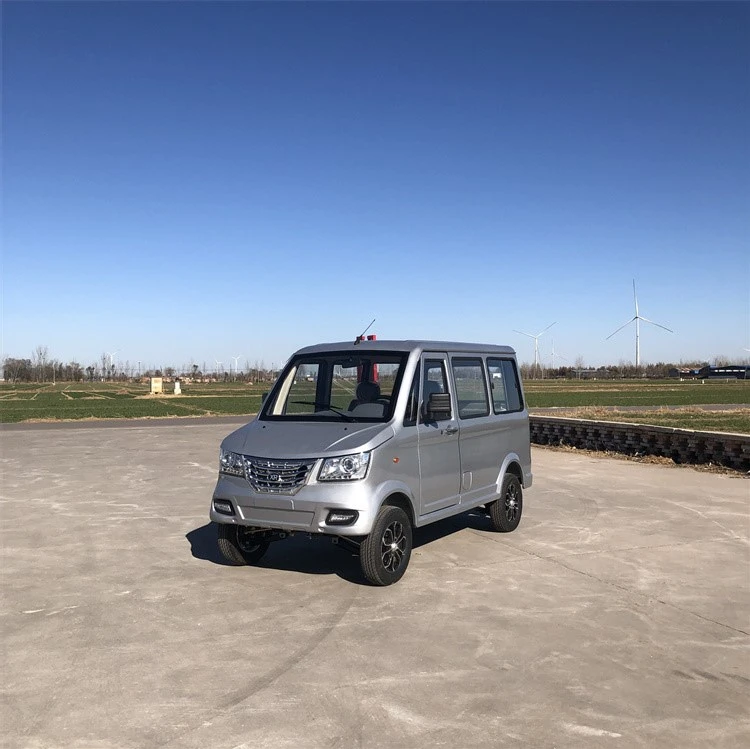
Sprinter van and Cargo Van play a key role in the logistics industry, they are designed according to the different transport needs and distances, the following is a simplified introduction:
Sprinter van
Definition: Mainly used for small-scale distribution of goods in or around a city.
Features: Relatively small size, flexible mobility, easy to drive in narrow urban roads.
Applications: Common in Courier services, food and beverage takeout, retail supplies, etc., require frequent docking and loading and unloading of goods.
Advantages: Easy to operate, save fuel consumption, suitable for high-frequency short-distance transportation.
Cargo Van
Definition: It is suitable for long-distance transportation, with large carrying capacity, and is used for inter-city or inter-provincial logistics distribution.
Features: The body is larger, the load capacity is higher, and the design pays more attention to durability and transportation efficiency.
Application: Widely used in large-scale cargo transportation, such as the distribution of raw materials in the manufacturing industry, and the distribution of goods by wholesalers.
Advantages: It can load a large number of goods at one time, reduce the number of transportation, and improve the overall logistics efficiency.
The main differences between the two are transport distance, cargo capacity and usage scenarios. The Sprinter van focuses more on flexibility and quick response, while the Cargo Van focuses on economics and safety over long distances.